





Swollen legs give away insidious diseases: what you need to know
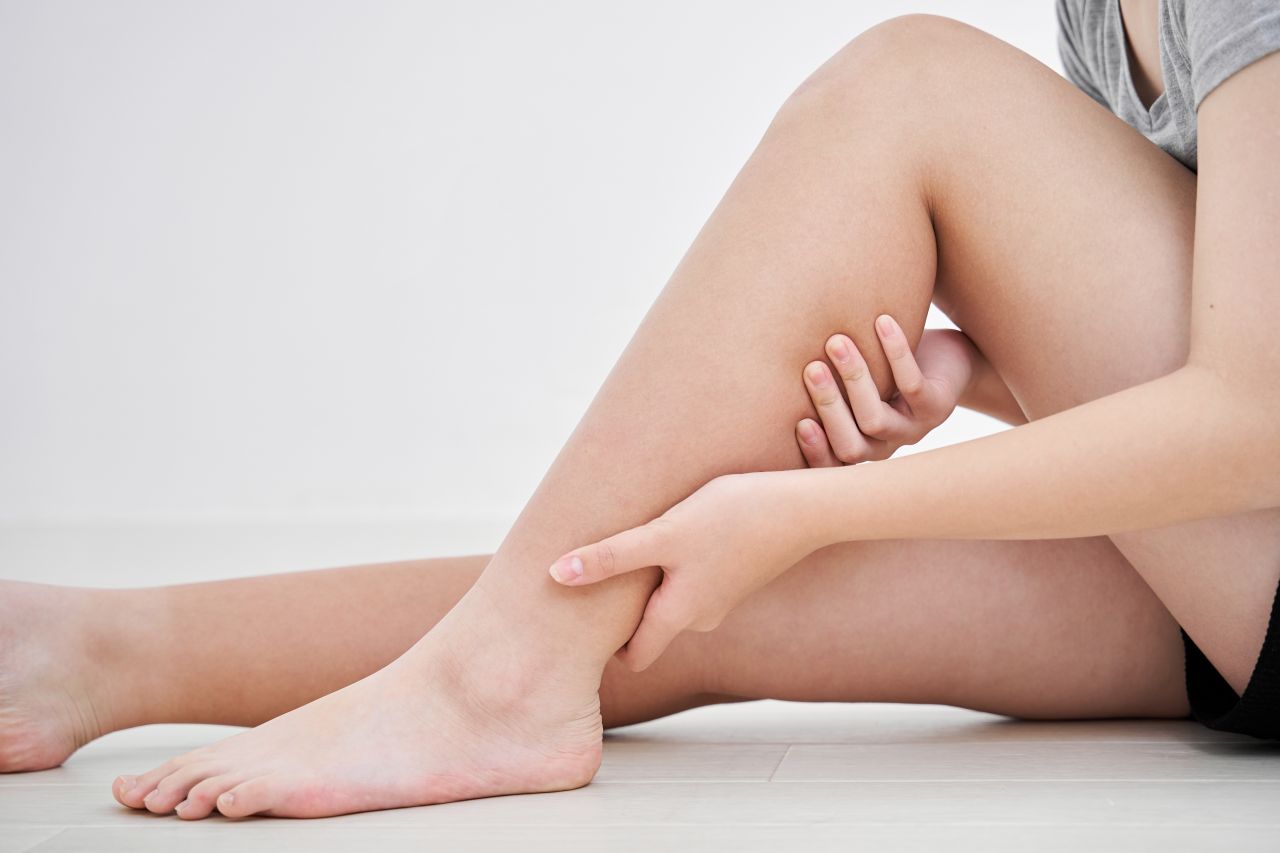
An unpleasant feeling that anyone can often face. Although swollen legs occur more often in summer, you shouldn't put it down to the heat, since it can also signal serious diseases. AND klinika family doctor Jūratė Valiukienė explained which diseases are most often linked to swollen legs.
With swollen legs, the most important thing is to clarify whether one leg is affected or both, whether the onset is slow or sudden, whether there is pain and whether there are other characteristic symptoms.
“The patient's age and any chronic conditions also matter. A young patient age, a sudden and one-sided onset of swelling with pain or other accompanying unpleasant sensations is always more worrying. Women over 40 with gradually appearing, painless swelling of one leg should get checked gynaecologically for a possible gynaecological cancer,” family doctor Jūratė Valiukienė warns.
Leg swelling most often troubles people or flares up in the warm season, in summer. Still, as the medical specialist explains, you shouldn't blame the weather alone, because it isn't the real cause but only a possible factor behind such an ailment appearing.
The main causes of swollen legs.
Swollen legs can also be caused by several diseases, for example heart failure, nephrotic syndrome, liver cirrhosis, acute or chronic thrombophlebitis, chronic venous insufficiency, cellulitis and lymphoedema.
“A reaction to medication can also have an influence. This would be some antihypertensive drugs, contraceptives, psychotropic drugs or non-steroidal anti-inflammatory drugs,” AND klinika family doctor Jūratė Valiukienė adds.
The unpleasant feeling can also be caused by tight clothing – jeans or tights. But the most common cause of one-sided leg swelling is venous insufficiency:
“And the main causes of swelling in both legs are heart failure, nephrotic syndrome and liver cirrhosis. But it can also be caused by venous insufficiency or keeping the legs down for a long time.”
What causes it, and why?
Tight clothing is a common problem in women's lives, when, wanting to look slimmer, they choose clothes a size smaller, which are not only uncomfortable but also cause unpleasant feelings. Wearing such clothes can cause bilateral or one-sided oedema.
“In runners, a sudden painful swelling of the calf indicates a possible tear of the gastrocnemius muscle, while intermittent calf or thigh swelling and pain indicate compartment syndrome. If a patient is obese, swelling of both legs appearing not in the feet indicates lipoedema, which most often occurs only in women and is caused by symmetrical bilateral fat deposition in the legs. In lipoedema the foot isn't affected, whereas in lymphoedema the swelling begins in the distal part of the foot,” the medical specialist explains.
Bilateral leg swelling can also be caused by liver cirrhosis arising from chronic alcoholism. Leg swelling can also occur with diabetes. If a person with diabetes has more frequent one-sided leg swelling, cellulitis can be suspected, especially if pain and heat in the legs also trouble them:
“Suddenly appearing calf swelling indicates a burst Baker's cyst, which occurs in people with rheumatoid arthritis; in runners – a torn gastrocnemius muscle, arterial blockage, thrombophlebitis, cellulitis or compartment syndrome.”
According to J. Valiukienė, shortness of breath during physical exertion or shortness of breath when lying down – orthopnoea – indicates that the cause of the leg swelling is heart failure.
“Prolonged sitting or standing can cause calf swelling, especially with venous insufficiency. Pregnancy or large uterine fibroids can increase pressure in the abdominal cavity, which mechanically disrupts venous outflow and causes painless swelling of one or both legs,” the AND klinika family doctor adds.
Treatment and prevention.
The doctor also warns that only after determining the exact disease that caused the leg swelling can specific medicinal or surgical treatment be prescribed. But prevention can also head off this ailment appearing:
“If taking medication caused the oedema, stopping it will reduce it. A large weight loss reduces swelling caused by lipoedema. Special compression stockings/tights, raising the legs and lying down reduce swelling caused by venous insufficiency.
Calf-muscle activity reduces oedema caused by keeping the legs down for a long time. Diuretics often help reduce oedema in patients with heart failure, liver cirrhosis and nephrotic syndrome.”