






Otorhinolaryngologists consult and treat patients suffering from diseases of the nose, ears, pharynx, throat and vocal cords. The otorhinolaryngologists (ENT doctors) at AND klinika examine patients, carry out the necessary tests (audiometry, endoscopy, biopsy, etc.) and prescribe treatment.
The treatment of ear, nose and throat diseases is otherwise known as otorhinolaryngology. ENT doctors (otorhinolaryngologists) diagnose and treat disorders of hearing, smell, the larynx and the oesophagus, as well as sinusitis and difficulties with voice and swallowing. These specialists also identify other problems related to the face, head or neck. These may include various infectious diseases, injuries, deformities and cancer. ENT doctors often work together with specialists from other fields, such as dermatologists or oral surgeons.
What are the diseases most commonly diagnosed by ENT doctors?
The treatment of ear, nose and throat diseases requires broad expertise in diagnosing a variety of conditions. The most common disorders are:
- sinusitis;
- tonsillitis (angina);
- laryngitis;
- ear inflammation;
- hearing loss or impairment;
- difficult breathing / inability to breathe through the nose;
- a deviated nasal septum;
- reflux.
In rarer cases, the specialist may identify a cleft lip or palate, head or neck cancer, sleep apnoea, a swallowing disorder, salivary-gland disease, temporomandibular joint dysfunction and other conditions.
What diagnostic methods are used at the clinic?
Diagnosis always begins with questions for the patient and a visual examination. When needed, instruments and modern devices are used. An otoscope is used to examine the ears, the sinuses are examined with an endoscope and, if necessary, an X-ray or computed tomography scan is ordered. In some cases, samples are taken from the nose, throat or ears and tested in the laboratory.
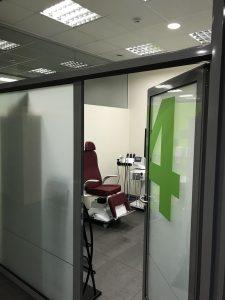
AND KLINIKA has a dedicated ear, nose and throat room equipped with modern, new-generation endoscopic equipment that helps specialists quickly establish a diagnosis, prescribe suitable treatment and effectively perform ear and nose irrigation procedures under local anaesthesia. This equipment has a high-resolution video camera that improves diagnostic accuracy and, at the same time, lets patients themselves watch an enlarged image of their nose, ear or throat. The ENT doctors have mastered the audiogram technique, as the clinic has a special acoustic room with audiogram equipment for a full hearing assessment. To diagnose eardrum conditions and assess recovery prospects, a new, modern device – a tympanometer – is used.
How is the treatment of ear, nose and throat diseases carried out?
The treatment of ear, nose and throat diseases depends on the diagnosis. In most cases, medication, dietary and behavioural adjustments or a minor procedure in the doctor’s office using special instruments and devices are sufficient. In other cases, minor surgical procedures may be performed – operations on the nasal septum and sinuses and the removal of growths and tissues – and hearing aids may be recommended.
The treatment of ear, nose and throat diseases is very wide-ranging. Most people experience one or more symptoms in this area of medicine during their lifetime. “If a patient feels sudden ear pain or hearing problems, or is troubled by prolonged nasal congestion or other unpleasant symptoms, a visit to an otorhinolaryngologist will help establish a diagnosis quickly and accurately and prescribe the necessary treatment,” says otorhinolaryngologist Sigita Vievesienė.


 terms.