






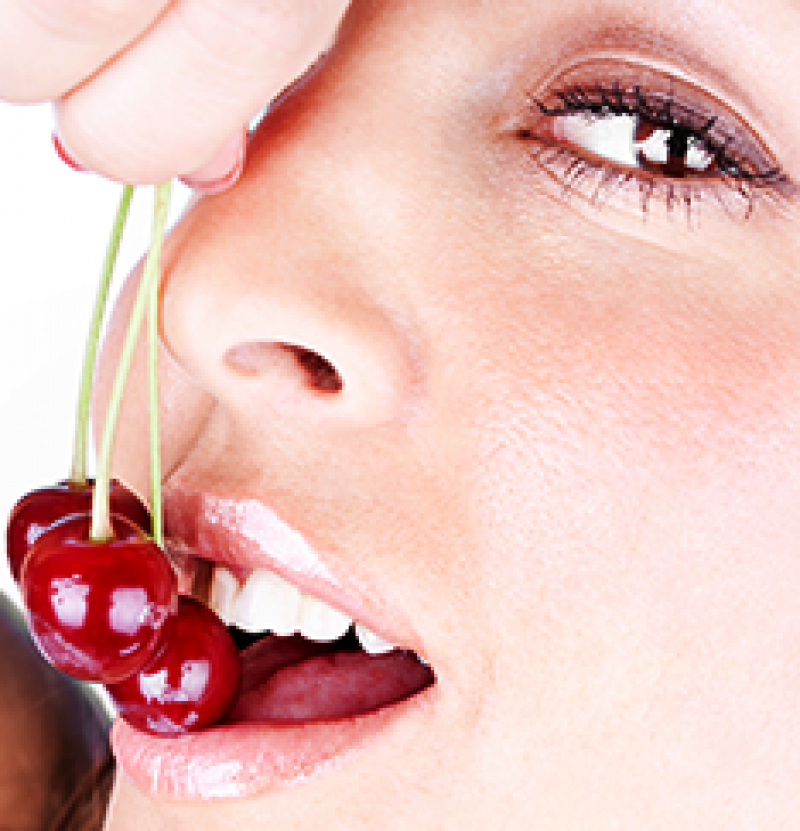
Food and beauty
That you can become a beauty queen by putting a cucumber on your face or smearing yourself with mashed strawberries is probably something many of us know. But we also know that for cultivating beauty it's very important not only what we put on ourselves but also what we eat. So what to eat to be beauty queens, our clinic's doctors advise.
VITAMIN A. Important for maintaining good vision and avoiding night blindness. It's essential for cells to grow and multiply, ensures the development of bones and teeth, and a normal condition of the nails and skin. Where to get it: salmon, liver, egg yolks, carrots, pumpkin, spinach.
VITAMIN E. The tocopherol it contains helps prevent oxidation. It also maintains a normal condition of the red blood cells and muscles, and regulates the synthesis of vitamin C and DNA. Where to get it: wheat germ, nuts and seeds, eggs, vegetable oils.
VITAMIN C. Needed for the synthesis of collagen (the cells' connective tissue). It's an important antioxidant that halts the ageing process. It promotes the healing of wounds and burns, strengthens the teeth and bones, and improves iron absorption. Where to get it: citrus fruit, melons, berries, peppers, broccoli, potatoes.
VITAMIN D. Essential for absorbing calcium; promotes the growth of bones and teeth. Where to get it: butter, egg yolks, oily fish. It's also produced in the body under the effect of sunlight.
SELENIUM. An important antioxidant that, together with vitamin E, protects cell membranes from oxidative processes. Where to get it: seafood, some types of meat and fish, unprocessed grain products, wheat.
ZINC. Needed for the metabolic action of enzymes, improves growth and fertility, and strengthens the immune system. Where to get it: red meat, oysters, eggs, milk, yoghurt, nuts.
ANTIOXIDANTS. Stabilise free radicals. Food containing antioxidants is linked to a reduced risk of cancer, heart disease and other conditions. Where to get them: blueberries, strawberries, cauliflower and Brussels sprouts, broccoli, beetroot, red peppers, carrots.
Nail problems. The most common diet-related nail problem is anaemia caused by iron deficiency or another type, because of which the blood doesn't supply nutrients to the nails. Eat plenty of lean meat, poultry and fish – sources of iron and quality protein. Don't forget dark green leafy vegetables, unprocessed grain products, legumes and fruit juices – to meet the need for folic acid and other B-group vitamins. Citrus fruit is also important, because vitamin C helps the body absorb the iron in plants.
Hair and scalp problems. The nutrients on which hair and scalp health depend are niacin, biotin, zinc and vitamins A, B6 and C. Eat plenty of fruit and vegetables, unprocessed grains, lean meat, fish and poultry, and low-fat dairy products.
Healthy teeth. Eat plenty of calcium-rich foods (milk, yoghurt, cheese) and fresh fruit and vegetables – to get vitamins A and C, and also for the chewing that keeps the gums healthy. Don't forget to drink tea (an excellent source of fluoride).