






The companion of the modern world — short-sightedness
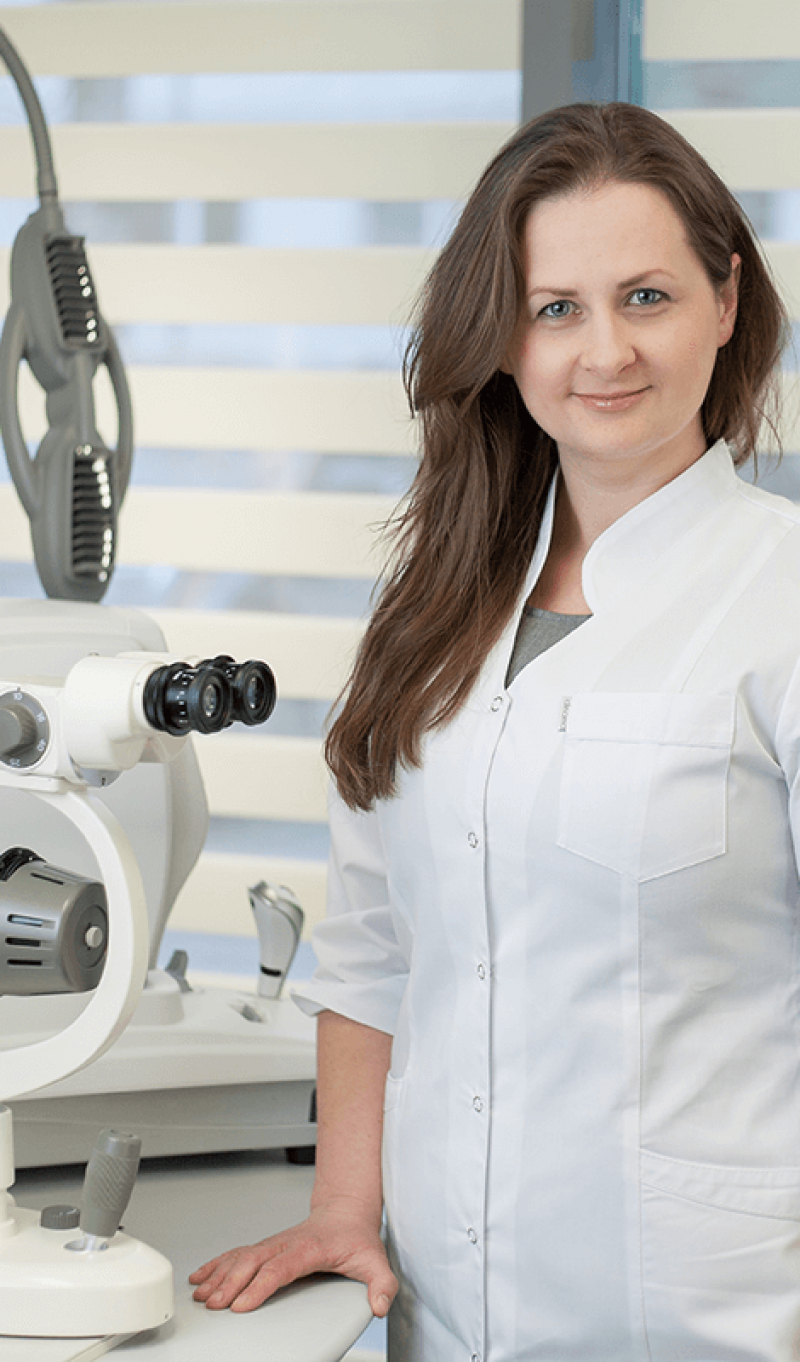
Sedentary work is ever more common, with constant looking at a computer screen, books or other nearby objects. The need to adapt to such a load presents as short-sightedness – when the eye's axis lengthens, distant objects start to be seen poorly. It's been calculated that in Lithuania the number of short-sighted children has increased several times over the last couple of decades. Short-sightedness is most often diagnosed in pupils aged 9–12 living in economically developed countries. This is linked to a changed work and study environment: as new technologies are rapidly introduced, physical, mechanical and outdoor work becomes rarer. AND klinika ophthalmologist Eglė Voitkūnienė answers questions about short-sightedness.
– What causes short-sightedness? – The consequences of spending a long time in front of a phone or computer screen can be twofold. Visual strain causes eye fatigue syndrome, and because the blink rate when looking at a screen is much lower than usual, dry eye syndrome develops and the eye's surface dries out. Great eye strain, when the eyes redden or water, is felt when working in a poorly set-up or insufficiently lit place. An unsuitable environment or straining the eyes can become a cause of short-sightedness. The first signs of short-sightedness are worsened distance vision and squinting when looking. Eye and headaches are also complained of.
– Short-sightedness – a disease or a state? – In the modern world short-sightedness is no longer a lifelong sentence – vision can be corrected with lenses, stylish glasses or laser. What's most important? To take care of prevention – a healthy lifestyle, a full and as varied a diet as possible, physical activity. It's recommended to eat as many green leafy and orange vegetables as possible; fish oil has a positive effect on the eye's retina. The doctor could recommend other vitamins or supplements after assessing the condition of the eyes. It's essential to follow hygiene norms and a work-and-rest routine – to rest the eyes after an hour of work.
– How to control short-sightedness? – It's been proven that being in fresh air during daylight reduces the risk of short-sightedness. Studies have proven that in children who spend at least 2–3 hours a day outdoors in daylight, short-sightedness appears less often, regardless of reading, computer work and watching television. This is thought to be linked to a better oxygen supply and the positive influence of light on the eye's retina.
– What everyday exercises help rest the eyes? – Simple exercises train the eye's accommodative muscle and improve the eye's circulation. You can rest the eyes from looking at close range by looking into the distance, which relaxes the muscle, and by spending a little time with them closed. Another exercise is to take a pencil and follow it with your eyes, moving it towards and away from yourself. The eye muscle is also helped to relax by “playing chess” – rolling the eyes to the sides. You can help your eyes not only by doing exercises, changing your lifestyle or daily habits, but also by using the effective procedures modern medicine offers. One of them is BLEFAROLIFT, which you can try at AND klinika. It's a massage designed to reduce bags under the eyes, lift the tissues of the upper eyelid, and also combat wrinkles in the forehead and under-eye area. By doing this procedure regularly, you can achieve pleasing results: the eye's circular muscle is strengthened; improving microcirculation reduces circles around the eyes; reducing swelling visually lifts the upper eyelid; the forehead muscles are relaxed, so wrinkles are reduced.