






Seniors and physical activity. Why is it never too late to start?
As life expectancy lengthens, it's very important not to lose independence and quality of life as you age, and to achieve that you must strengthen your health. In this article we share useful tips about the benefits of sport for older people.
The importance of sport for seniors.
Both women and men lose more and more bone density as they age. When bone density thins, the likelihood of bone fractures increases significantly, and this affects daily life and in some cases can be life-threatening.
Strength training neutralises this loss and helps to recover it little by little. Stronger bones lead to a lower likelihood of fractures or other injuries, which can help seniors live independently for longer.
Moreover, studies have confirmed that physical inactivity increases the risk of various diseases. Daily exercise lets you avoid chronic, cardiovascular and heart diseases, obesity and hypertension.
Physical activity also strengthens immunity and the body's endurance, helps you keep your independence, improves concentration and, of course, lets you feel better – physically active seniors, compared with inactive ones, suffer from depression less often.
Suitable exercises.
The very intense workouts fashionable these days, following special programmes, are neither a practical nor a safe choice for many older people. It's best if an older patient's exercise programme includes aerobic exercises and stretching exercises that improve flexibility.
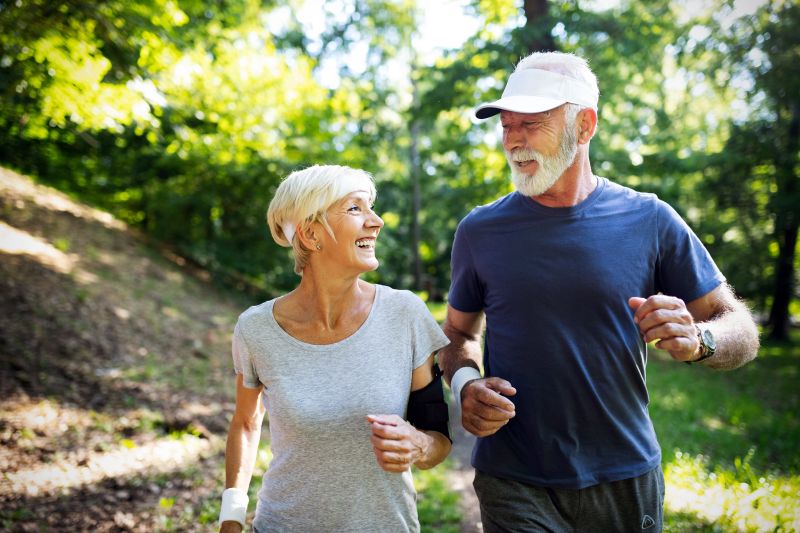
Walking is perfectly suited to encouraging physical activity. Walking helps maintain endurance and reduces some of the pain caused by chronic diseases (arthritis, for example), strengthens the abdominal and back muscles and reduces chronic back pain. Walking is recommended for at least 30 minutes every day.
Another beneficial form of exercise is yoga. Yoga doesn't strain the joints; it helps strengthen the muscles, improve flexibility and strengthen the bones. You can find programmes designed specially for older people that include both standing and seated workouts.
Seniors should also try Pilates, which works the muscles gently. Pilates improves the body's stability and balance. This form of exercise has been proven to reduce the symptoms of arthritis, sclerosis and Parkinson's disease. Pilates is perfectly suited to everyone who hasn't exercised for a long time.
Aerobic exercises can improve cardiovascular activity, strengthen the lungs and airways, and improve everyday endurance. Seniors are recommended to swim and cycle. These can also be short sessions spread throughout the day.
Light strength training also suits seniors: press-ups against a wall, squats, climbing stairs, standing on one leg. Such programmes can also use resistance bands or small hand weights.
So most seniors (65 and over) can exercise safely, thus getting rid of mobility problems and improving their wellbeing. If you'd like to start but have questions, come to AND klinika and we'll draw up an individual exercise plan for you!